
How to Choose a PCB Manufacturing and Assembly Service
Choosing a PCB manufacturing and assembly service can shape a product’s cost, reliability, and launch schedule. A polished website is not enough. Ask how the supplier handles your actual board: its layer count, copper weight, tightest spacing, and component mix. Then request evidence, not just reassuring language. A recent inspection report, sample build, or clear process explanation can reveal more than a sales promise.
PCB industry veteran Happy Holden has long emphasized design for manufacturability. A practical way to express that guidance is: “A good design must also fit the realities of fabrication and assembly.” Treat this as a guiding principle, not a substitute for checking a supplier’s capabilities. Confirm how the team reviews Gerber or ODB++ files, manages component sourcing, controls soldering, and reports defects. If your board uses fine-pitch parts, ask how inspection catches bridging or misalignment. Small details matter.
Look beyond the quoted unit price. Compare tooling fees, minimum order quantities, lead times, test options, and communication during engineering review. Ask who owns each step, from bare-board fabrication to final functional testing. You want answers that are specific and documented. Not vague assurances.
A strong pcb manufacturing and assembly partner should flag risks early, explain trade-offs plainly, and support prototypes as well as production. Still, no supplier can remove every design risk. I would not assume that a first successful prototype guarantees stable volume production. Check references, review quality records, and agree on acceptance criteria before placing an order. The right choice is the one that can show how it will build your board consistently, not merely promise that it can.
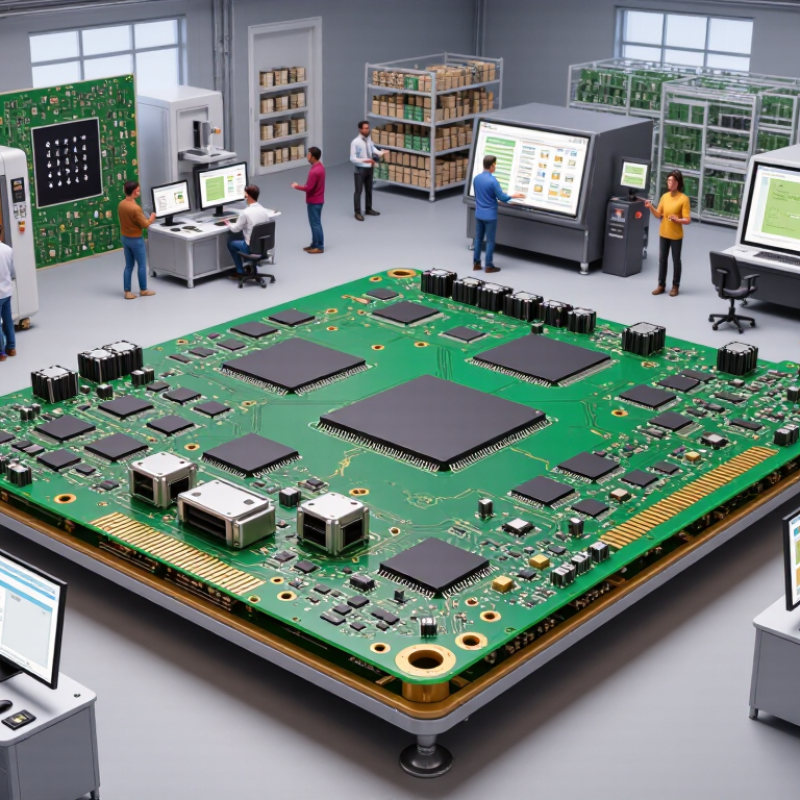
Define Your PCB Design, Production, and Assembly Requirements
How to Choose a PCB Manufacturing and Assembly Service
Define your board’s purpose before comparing service options. A compact sensor board may need fine-pitch components, while a power controller may need thicker copper and wider traces. Record the board dimensions, layer count, material, copper weight, and target quantity. Include operating temperature and expected electrical load. These details help a manufacturer assess whether your design fits its process.
Prepare complete, matching files. Gerber or other accepted fabrication data should agree with the drill file and board outline. For assembly, provide a bill of materials with part numbers, quantities, and approved alternatives. Include pick-and-place data and clear notes for polarity-sensitive parts. A tiny diode can be installed backward if its marking is hard to see. Easy to miss. Ask whether the service reviews footprints, spacing, and panelization before production, and confirm how questions or file changes are handled.
Set expectations for testing and delivery, not just price. Decide whether you need bare boards, assembled prototypes, or recurring production. Specify inspection needs, such as electrical testing or checks on solder joints, and ask what evidence is included with shipment. State your required delivery date and whether split shipments are acceptable. Prototype quantities can reveal useful defects, but they may not predict every production issue. I would leave room for one design review, even when the schedule feels tight. A rushed approval can lock in a footprint or connector position that is awkward to assemble.
Assess Manufacturer Capabilities and Process Compatibility
A reliable PCB service should match the board you actually plan to build, not just advertise broad capabilities. Share the stack-up, board thickness, copper weight, and smallest trace and spacing requirements. Ask whether the manufacturer regularly produces boards with similar specifications. A capability sheet is useful, but a specific example can reveal more.
Details matter. Check that the proposed process supports your materials, surface finish, and tolerance requirements. For assembly, confirm component package sizes, placement limits, soldering methods, and inspection options. If the design includes fine-pitch parts or heat-sensitive components, discuss those details before ordering. A process mismatch can lead to rework, delays, or boards that pass electrical tests but are difficult to assemble.
Look at how the service handles design review and production questions. A useful partner identifies unclear footprints, missing fabrication notes, or panelization concerns before production begins. Ask how revisions are tracked and what inspection records are available. In practice, one overlooked note can cause more trouble than a dramatic technical flaw. I would still compare proposed tolerances against the actual design; a standard process may be adequate, but assuming so is a risk. Start with a small, representative build when the process is unfamiliar, and review the results before committing to larger quantities.
Compare Quality Controls, Certifications, and Testing Options
A reliable PCB partner should explain how quality is controlled at each production stage, not simply display certificates. Ask whether incoming materials are checked against specifications and whether solder paste, component placement, and solder joints receive documented inspections. Automated optical inspection can catch visible defects; X-ray inspection can examine hidden connections, such as those beneath certain packages. Each method has limits. Ask which checks apply to your board and why.
Certifications can indicate a managed quality system, but they do not guarantee that every assembly will meet your requirements. Verify the certificate’s scope, validity, and production site. Request sample inspection records, defect reports, and traceability details for materials and batches.
Ask whether electrical testing, in-circuit testing, or functional testing is available, and clarify whether it covers every unit or a sample. Ask for records. A practical comparison starts with your board’s risks: fine-pitch parts, dense layouts, or demanding operating conditions may need different checks.
I would also ask how the service handles a failed test. The answer may expose gaps that a polished certificate cannot. Testing adds time and cost, so agree on acceptance criteria before production begins. Don’t assume more tests always mean better control.
Evaluate Pricing, Lead Times, and Order Flexibility
When comparing PCB manufacturing and assembly quotes, separate board cost from setup, stencil, testing, and freight. A low unit price can hide a costly tooling charge or a long queue before assembly begins. Ask for the same board stack-up, copper weight, finish, and inspection level in every quote. Small differences matter. Confirm whether the quoted lead time starts at file approval, material release, or order placement.
Prismark’s 2023 industry analysis estimated global PCB production at $81.7 billion in 2022, about 1% higher than in 2021. That modest change is market context, not a price forecast for your order. Still, it is a reminder to date each quote and ask how long pricing remains valid. Request separate standard and expedited schedules, plus the cost of each. A promised five-day build is less useful if components arrive a week later.
Order flexibility deserves equal scrutiny. Ask whether the service accepts prototype quantities, partial releases, or repeat orders with controlled revisions. Clarify minimum quantities and fees for changing a design after production starts. Get answers in writing. A supplier may allow a small pilot run but price it differently from volume production. One weak spot in many comparisons: buyers assess the headline price, then overlook how schedule changes affect the total cost.
Choosing a PCB Manufacturing and Assembly Service
Compare pricing, lead times, and order flexibility before choosing a service. The chart shows indicative planning ranges in business days; actual schedules depend on board complexity, component availability, and order size.
When reviewing quotes, check what is included in the price, whether expedited service is available, and how easily the provider can accommodate prototypes, small batches, or design changes.
Verify Communication, Support, and Supply Chain Reliability
How to Choose a PCB Manufacturing and Assembly Service
Verify Communication, Support, and Supply Chain Reliability
A reliable PCB partner answers specific questions before production begins. Ask who owns your project, how quickly they respond, and how they flag design or component issues. Request a sample update showing open risks, parts on order, and the next decision date. A clear message beats a polished promise. Silence is costly.
Supply chain reliability needs evidence, not reassurance. Ask how the service tracks component availability, verifies substitutions, and manages shortages without changing your approved design. McKinsey Global Institute’s 2020 report on global value chains estimates that companies can lose an average of 42 percent of one year’s EBITDA over a decade from supply chain disruptions. That figure is not PCB-specific, but it shows why contingency planning matters. Ask for realistic lead times and written notice when a key part slips. A dashboard can still hide uncertainty; check whether its dates match actual supplier commitments.
Tips: Send a small, representative bill of materials and ask the service to identify long-lead parts. Test its support with one practical question, such as how it handles a discontinued capacitor. Note the response time and whether the answer includes a clear next step. Good communication is not always perfect, but it should be candid, traceable, and timely.
Related Posts
-
What Is PCB Manufacturing and Assembly?
-
What Is Printed Circuit Board Assembly and How Does It Work?
-

Top PCB Manufacturers Near Me for Global Sourcing in 2026
-
What Is PCB Manufacturing and Assembly?
-
How to Choose a PCB Manufacturing and Assembly Partner?
-
What is a PCB Prototype and How Does it Work?