What Are the Top Quick Turn PCB Suppliers in 2026?
Choosing a quick turn pcb supplier in 2026 is about more than finding the shortest advertised lead time. A rushed prototype can expose weak process controls, unclear communication, or costly design mismatches. Small details matter: whether the supplier checks fabrication files, confirms material availability, and explains what could delay shipment. A fast quote is only a starting point.
Prismark’s 2024 industry analysis estimated that global PCB production value fell about 15% in 2023, to roughly US$73.4 billion. It also anticipated a recovery in 2024. These market figures describe the wider industry, not the delivery performance of individual suppliers. IPC’s North American PCB Statistical Program tracks sales, orders, and book-to-bill trends, offering another useful view of changing demand. Neither source can tell buyers which factory will meet a specific deadline. That part requires careful supplier checks.
This guide compares leading quick-turn options through practical criteria: quoted turnaround, prototype and low-volume capabilities, engineering support, quality documentation, and shipping transparency. Readers should verify current lead times directly, since capacity and material stock can change between quote and order. We also treat headline claims with caution. A supplier may be fast on simple two-layer boards but slower on controlled-impedance designs. That difference matters. The comparison is a starting point, not a guarantee; buyers should review specifications, ask clear questions, and confirm delivery terms before placing an order.

How Quick-Turn PCB Manufacturing Works
Quick-turn PCB manufacturing starts with a complete design package: copper-layer files, drill data, board outline, stackup, and fabrication notes. Engineers review clearances, hole sizes, and copper spacing before production. A missing finish specification or unclear dimension can trigger questions and delay the schedule. Small details matter.
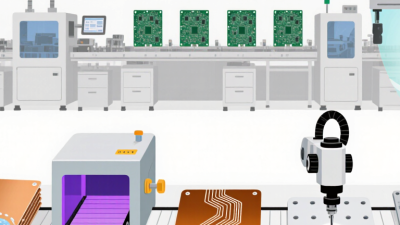
After the files pass review, the shop prepares the production panel and creates the circuit pattern on copper-clad material. Layers are etched, aligned, and bonded when the design is multilayer. Drilling and copper plating form connections between layers. Solder mask and silkscreen follow, then the selected surface finish and electrical testing. Each stage has quality checks, though fast schedules may leave less room for correcting incomplete specifications.
Speed often comes from reserving capacity, using readily available materials, and limiting custom process choices. That can make a simple two-layer prototype move quickly, while unusual thickness, tight tolerances, or special finishes may add time. A quoted turnaround is not a promise that every design will fit the same route. It is worth checking what the clock includes: fabrication only, or inspection and shipping too? Fast is useful. Clear expectations matter more.

Criteria for Evaluating PCB Suppliers in 2026
In 2026, a quick-turn quote matters only if its clock is clearly defined. Ask whether lead time begins at order placement, file approval, or payment. Check whether weekends, holidays, and shipping are included. Small details matter. A two-day build can still arrive late if dispatch is excluded. Request a dated schedule for prototypes and repeat orders.
Review engineering support before comparing prices. Can the team flag an annular-ring issue, overly tight spacing, or an unclear impedance note before fabrication? Ask for a sample DFM report and learn who answers technical questions. Strong documentation helps. Yet a polished report is not proof that every risk has been caught. Confirm material availability, layer-count limits, copper weights, and tolerance control for your design.
Quality checks should match the board’s purpose. Ask what gets inspected and how results are recorded. Useful evidence may include electrical-test coverage, inspection criteria, and lot traceability. Compare remake policies and escalation response times, not just advertised capabilities. Price still counts, but the cheapest quote can hide assumptions about finish, panelization, or test scope. No scorecard is perfect. Leave room for judgment; even experienced buyers can miss a bottleneck until the first build.
Leading Quick-Turn PCB Suppliers and Their Capabilities
What Are the Top Quick Turn PCB Suppliers in 2026?
Leading Quick-Turn PCB Suppliers and Their Capabilities
Quick-turn PCB suppliers differ in more than quoted delivery time. Strong capabilities include rapid design-for-manufacturing reviews, dependable layer alignment, and clear communication about material availability. Some handle simple two-layer prototypes, while others support multilayer boards, controlled impedance, HDI, or flexible circuits. Confirm that the supplier’s equipment and process controls match your board’s requirements.
Tips: Send complete fabrication files, stackup details, copper weights, and impedance targets. Ask when the delivery clock starts, whether engineering review is included, and how changes affect the schedule. A fast quote is not proof of a fast, usable board. Details matter.
Compare suppliers using the same test: request a realistic build plan for your exact board, including inspection steps and shipping time. Ask how they check drilled-hole quality, layer registration, and electrical continuity. For a dense board, request feedback on trace spacing and via choices before ordering. Certifications and inspection reports can provide useful evidence, but verify that they apply to the specific facility and process. No supplier is perfect; even a clear process can miss an unexpected issue.
Comparing Turnaround Times, Pricing, and Quality
For quick-turn PCB suppliers in 2026, compare the delivery promise with the build details behind it. Grand View Research valued the global PCB market at USD 76.26 billion in 2023 and forecast 5.7% annual growth through 2030. That growth makes capacity planning worth checking, not assuming. Ask whether quoted days mean production days or delivery days. Confirm when the clock starts, and whether weekends, engineering review, or material shortages are excluded. A five-day quote can look excellent until the clock starts after design approval.
Price needs the same close reading. Compare identical layer counts, copper weights, finishes, tolerances, panel utilization, and shipping terms. A lower unit price may hide tooling, expedited freight, or minimum-order charges. Small batches can make setup fees especially visible. Quality should be measured against documented acceptance criteria, not a polished sample alone. IPC-6012 defines qualification and performance requirements for rigid printed boards, while IPC-A-600 provides visual acceptability criteria. Request inspection records, electrical-test coverage, and a written process for handling defects. Fast is useful. Predictable is better. I would still question any supplier promising speed, low cost, and zero compromises; those targets rarely align perfectly.
What Are the Top Quick Turn PCB Suppliers in 2026? — Comparing Turnaround Times, Pricing, and Quality
| Supplier Type | Typical Fabrication Turnaround | Indicative Price (USD) | Typical Quick-Turn Capabilities | Quality and Inspection | Best Fit | Key Trade-Off |
|---|---|---|---|---|---|---|
| High-volume online prototype fabricator | About 2–5 business days for standard prototypes; expedited options may be available | Approximately $10–$80 for a small, simple 2-layer prototype order, before shipping and taxes | Commonly supports 2–4 layers, standard FR-4, and common solder-mask and finish options | Electrical testing is commonly offered; confirm acceptance criteria, surface-finish options, and inspection scope before ordering | Low-cost prototypes, hobby projects, and non-critical design iterations | Shipping can take longer than fabrication; capabilities and advertised lead times vary by order specification |
| Regional quick-turn prototype shop | About 1–3 business days for eligible designs; shipping time is additional | Approximately $75–$300 for a small, simple 2-layer expedited order, before shipping and taxes | Often offers standard multilayer builds, engineering review, and expedited production scheduling | May provide electrical test and documented inspection options; request the applicable workmanship and acceptance standard | Teams that need responsive communication or a short domestic delivery route | Expedited setup and production typically cost more than economy prototype service |
| Full-service contract manufacturer with in-house PCB fabrication access | About 3–10 business days for fabrication, depending on stack-up and assembly requirements | Typically quoted per project; assembly, components, tooling, and testing can substantially increase the total | Can coordinate board fabrication with component sourcing, assembly, and functional testing | Quality controls may include incoming inspection and assembly testing; requirements depend on the project and contract | Prototype-to-production builds that need boards and assembly managed together | Less price-transparent for a bare-board-only order; confirm whether quoted lead time includes assembly |
| Specialist advanced-board fabricator | About 5–15 or more business days; very fast schedules depend on design review and material availability | Usually custom-quoted; advanced materials, tight features, and controlled impedance raise cost | May support higher layer counts, finer features, controlled impedance, or specialty materials | Ask for the specific test reports, impedance controls, and IPC class or other acceptance criteria included in the quote | Complex, high-speed, RF, or otherwise demanding designs | Not generally the lowest-cost option for a simple prototype; design review can affect the schedule |
Comparison basis: Price ranges are planning estimates, not live quotes, for small, uncomplicated prototype orders. Actual pricing and lead times depend on board size, quantity, layer count, material, copper weight, finish, tolerances, testing, location, and shipping. Fabrication turnaround excludes transit time; verify the quoted schedule and quality requirements with the supplier before placing an order.
How to Choose a Supplier for Your PCB Project
Choosing a quick-turn PCB supplier starts with more than an advertised lead time. Ask what “turnaround” includes: engineering review, fabrication, electrical testing, and shipping. A board promised in five days may still need another day for inspection. Confirm when the clock starts and which shipping method is included. Small detail. Big difference.
Match the supplier’s capabilities to your design. Share the layer count, board thickness, copper weight, and required materials before requesting a quote. Ask whether the team checks Gerber files and flags issues such as tight spacing or an unclear drill map. For controlled impedance, confirm how the target values will be verified. Request a sample inspection report or a clear description of the supplier’s electrical test process. A quick reply is useful, but a specific reply is better.
Compare quotes using the same specifications and delivery terms. Check setup charges, panelization, test coverage, and the cost of revisions. For a prototype, ask how a small quantity will be handled and whether production capacity can support a later repeat order. Keep communication in writing, especially when approving a design change. No checklist removes every risk; a detail can still be missed. That is why a realistic schedule should leave room for review, not just fabrication.