2026 How to Choose the Best Rechargeable Lithium Batteries?
Choosing the right Rechargeable Lithium Batteries can be challenging. With so many options available, how do you know which one to pick? This guide aims to simplify that process.
Rechargeable lithium batteries are popular for their long lifespan and efficiency. They power many of our devices, from smartphones to remote controls. However, not all batteries are created equal. You should consider various factors to find the best match for your needs.
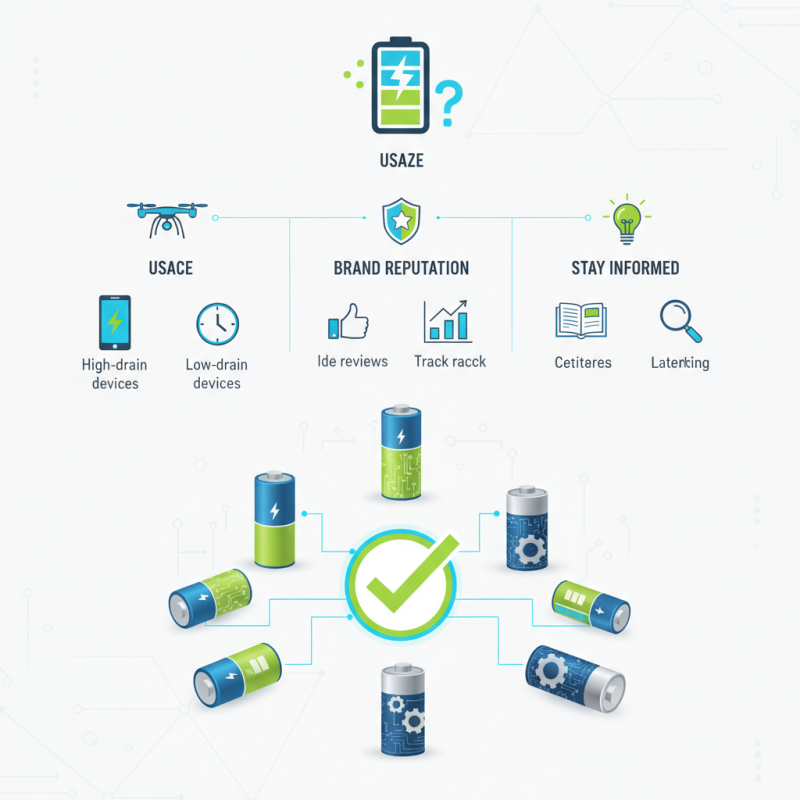
Understanding your usage is key. Are you using batteries for high-drain devices or low-drain ones? Some batteries perform better in intense situations, while others may excel in everyday tasks. It's also important to look at the brand reputation. Look for companies with a solid track record and good customer reviews. In the ever-evolving world of technology, staying informed will ensure you make the best decision possible.
What to Look for in Capacity Ratings for Lithium Batteries
When choosing rechargeable lithium batteries, understanding capacity ratings is crucial. Capacity is measured in milliampere-hours (mAh). This figure represents how much energy a battery can store. A higher mAh rating usually indicates longer usage time. However, it’s important to remember that a higher capacity doesn’t always mean better performance.
Consider the specific needs of your devices. Some may require high-drain power, while others may only need a small amount. Look at the discharge rates, too. A battery may have a high capacity but low discharge rates, leading to disappointing performance. This mismatch can often lead to confusion and frustration.
Battery longevity matters. A high-capacity battery may initially perform well but degrade faster than others. Regular charging cycles can affect health and efficiency. Keep an eye on how your batteries hold up over time. It's vital to monitor their performance closely. This vigilance helps in understanding when it’s time for a replacement. Ultimately, consider these details to ensure you choose batteries that best meet your unique requirements.
Understanding Lithium Battery Chemistry: Ion Composition and Performance
Lithium battery chemistry is a complex subject. Different ion compositions affect performance significantly. Common types include lithium cobalt oxide (LCO) and lithium iron phosphate (LiFePO4). LCO provides higher energy density. However, LiFePO4 boasts superior thermal stability and safety. This shift in focus reflects growing industry concerns about safety and efficiency.
Understanding ion composition is crucial for selecting batteries. Studies show that cells with high nickel content offer more capacity but pose risks. The trade-offs between energy density and safety are not trivial. As battery technology advances, manufacturers face challenges in balancing these aspects. There is a noticeable push towards more sustainable materials. Such developments indicate a promising future for lithium battery technology.
Performance metrics matter as well. Cycle life, charge time, and temperature resilience vary among lithium chemistries. Some batteries can endure over 5000 cycles. Others might only last half that long. How the battery performs under different conditions can dictate its application. Users must consider these factors before making a decision. It's essential to prioritize performance alongside safety when choosing the right battery solution.
Evaluating Charge Cycles: Longevity and Efficiency Considerations
When evaluating rechargeable lithium batteries, charge cycles are crucial. Each battery has a specific number of charge cycles it can handle. A charge cycle is defined as a full discharge and recharge of a battery. The longevity of a battery directly correlates with how well it handles these cycles. Batteries that endure more charge cycles tend to have a longer lifespan, making them more efficient over time.
Tips for selecting the right battery: Look for those rated for a higher number of charge cycles. This often indicates better durability and efficiency. Pay attention to the battery's discharge rate as well. A battery with a high discharge rate performs better under load. Don’t forget to consider the environment as well. Extreme temperatures can affect battery longevity, so choose batteries that can operate effectively in various conditions.
Not all batteries perform the same. Some may degrade quickly after numerous cycles, leading to frustration. Understanding the chemistry behind lithium batteries can also provide insights into their performance. While you may find batteries that claim to have longer lifespans, verify these claims through user reviews and expert recommendations. Over time, the right choice can make a significant difference in functionality and cost-effectiveness.
Safety Features: Identifying Reliable Protection Mechanisms in Batteries
When selecting rechargeable lithium batteries, safety features are crucial. Reliable batteries should come equipped with various protection mechanisms. These include overcharge protection, short circuit protection, and thermal cutoff systems. A study by the Battery Safety Institute revealed that batteries with advanced protection features reduce incidents by over 40%.
Evaluating the safety design is essential for avoiding potential hazards. Look for batteries that pass industry-standard tests. Certifications like UL or IEC indicate a higher level of safety and reliability. For instance, batteries with built-in battery management systems (BMS) not only enhance performance but also significantly improve safety.
**Tips:**
- Always check if the battery has over-discharge protection.
- Read user reviews to identify any recurring safety issues.
- Invest in batteries that provide detailed safety specifications.
Taking time to research and choose wisely can prevent safety risks. Confusion often arises regarding battery quality. Some users may overlook minor specifications, which can lead to subpar choices. These decisions might compromise safety and battery lifespan.
Comparison of Safety Features in Rechargeable Lithium Batteries
Comparing Leading Lithium Battery Brands: Performance and Reviews Analysis
When selecting rechargeable lithium batteries, understanding the performance of various brands is crucial. Different brands exhibit distinct characteristics that affect their longevity, charging speed, and overall efficiency. Some brands are known for higher energy density, allowing devices to run longer between charges. Others prioritize faster charging times, which is beneficial for users on the go.
Consumer feedback is a vital aspect in evaluating these brands. Many users report varying experiences based on the application. For instance, batteries used in high-drain devices may underperform compared to those designed for low-drain applications. Reviews often highlight issues such as inconsistent capacity and shorter lifespan after multiple cycles.
It’s essential to pay attention to these nuances. Looking for third-party reviews can provide deeper insight. Not all brands deliver reliable performance across the board. User experiences reveal that some batteries struggle with temperature regulation, leading to safety concerns. Reflecting on these points can guide users toward making informed decisions.