What Is the Best Skin Tone Analyzer in 2026?
Choosing the best Skin Tone Analyzer in 2026 takes more than comparing a phone app’s color reading. A selfie captured beside a bright window can look different from one taken under warm bathroom lights. Camera processing, shadows, and screen settings can shift the result, too. So a precise-looking number is not automatically a reliable one.
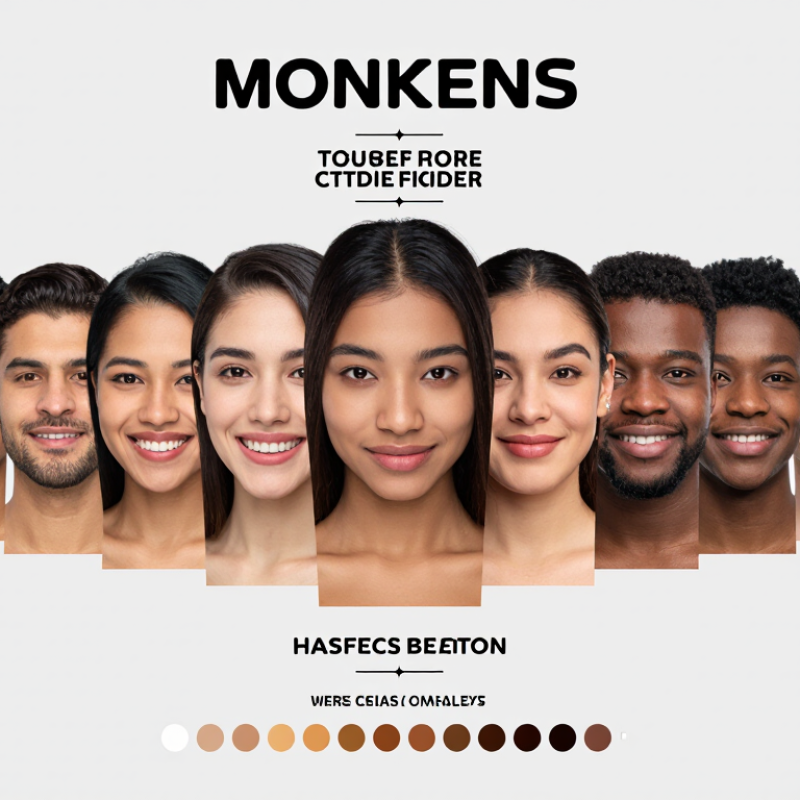
A useful reference point is Google Research’s 2022 publication of the Monk Skin Tone Scale, a ten-shade scale developed with Harvard sociologist Ellis Monk. It offers a broader range than simple light-to-dark labels, but no scale can capture every person’s skin or every lighting condition. Monk’s research points to an important principle: representation should reflect variation rather than compress it into a few categories. That is a paraphrase, not a verified verbatim quotation. Readers should be wary of reviews that present it otherwise.
Look for transparent methods. Does the analyzer explain its lighting requirements, show how it handles uncertainty, and distinguish visual tone from undertone? Can you repeat a reading and get a similar result? These details matter more than polished charts. In this guide, we compare tools by measurement approach, consistency, accessibility, and clarity about limitations. Some results will still be imperfect. That deserves honest scrutiny, not a confident label. No single analyzer is best for every user; the right choice depends on what you need to measure and how reliably the tool performs in real conditions.
Understanding What a Skin Tone Analyzer Measures
What Is the Best Skin Tone Analyzer in 2026?
Understanding What a Skin Tone Analyzer Measures
A skin tone analyzer estimates visible color, not your full skin health. Many tools assess lightness and color balance using the CIE L*a*b* color model. L* represents lightness, while a* and b* describe red–green and yellow–blue values. Some devices also estimate melanin or redness from reflected light. These readings can help compare areas, but they depend on consistent lighting, clean skin, and correct positioning. A warm bathroom bulb or a small change in camera angle can shift the result. Not a diagnosis.
Trustworthy interpretation matters as much as the number. NIST’s 2019 Face Recognition Vendor Test report found that many face-recognition algorithms showed demographic differences, sometimes with false-positive rates varying by factors of 10 or more. That report did not evaluate cosmetic skin analyzers, so it cannot prove that a particular analyzer is biased. Still, it highlights why image-based readings deserve caution, especially across different skin tones. An analyzer should explain its measurement method and limitations. A precise-looking score can still be misleading.
Tips: Measure in indirect daylight, with makeup removed and the device held at the same distance each time. Repeat the reading on your cheek and jaw. If results disagree, pause before changing your skincare routine; the tool may be reacting to light, not your skin. That distinction is easy to miss.
How Skin Tone Analyzers Work
What Is the Best Skin Tone Analyzer in 2026?
How Skin Tone Analyzers Work
A skin tone analyzer estimates color from an image or a sensor reading. Camera-based tools examine color values, often red, green, and blue, across selected areas of the face. Some systems adjust for lighting or compare results with calibrated reference shades. More specialized sensors measure how skin reflects different wavelengths of light. These readings can help estimate visible tone and undertone, but they do not reveal a person’s full skin biology.
Lighting changes the result. A warm bathroom bulb, a nearby window, or a tinted phone screen can shift how skin appears. For a more consistent image, use indirect daylight, clean the camera lens, and keep filters off. A small patch on the inner forearm may look different from the cheek, where redness, blemishes, or recent sun exposure affect color. Keep that in mind.
An analyzer is most useful as a guide, not a final authority. Skin-tone categories simplify a continuous range, and different tools may label the same complexion differently. That’s a real limitation. Recheck readings under similar conditions, and compare them with what you observe in person. If a result seems off, it may reflect the lighting or the tool—not your skin.
Criteria for Evaluating Skin Tone Analyzers in 2026
What Is the Best Skin Tone Analyzer in 2026?
Criteria for Evaluating Skin Tone Analyzers in 2026
A skin tone analyzer is useful when its measurements are consistent, explainable, and suited to the task. Check whether it assesses visible tone, undertone, or both; these are related, but not interchangeable. Reliable tools explain their method and the conditions needed for a reading, such as soft daylight and a clean camera lens. A simple repeat test helps: take readings near a window, then repeat after moving slightly. Lighting matters. Large shifts suggest the result may reflect the room more than the skin.
Evaluate more than the number. Look for clear uncertainty ranges, plain-language explanations, and guidance on when a result should not be trusted. Test several areas, including the cheek and jaw, because redness or shadows can distort one spot. A useful analyzer should work across different skin depths and avoid treating one reference chart as universal. That standard is hard to meet. Compare repeated readings, not just a polished demonstration; even careful tools can miss undertones in mixed lighting. Results vary. Before uploading photos, check image storage and deletion controls, and look for clear explanations of these practices.
What Is the Best Skin Tone Analyzer in 2026?
A practical framework for evaluating skin tone analyzers
The chart shows suggested evaluation weights, not measured scores for specific products. Prioritize color accuracy and consistent results, then assess performance across skin tones and lighting conditions. Also check whether calibration methods and privacy practices are clearly explained.
Choosing an Analyzer for Your Needs and Privacy Preferences
What Is the Best Skin Tone Analyzer in 2026?
Choosing an Analyzer for Your Needs and Privacy Preferences
The best analyzer depends on what you need it to do. For makeup matching, look for clear shade comparisons and guidance under consistent lighting. For tracking changes over time, choose a tool that lets you save results and repeat scans in similar conditions. A window with soft daylight works better than a warm bathroom bulb. Small differences matter.
Check how the analyzer handles your images before uploading them. Does it process scans on your device, or send them to a server? Read the privacy settings for image storage, deletion, and sharing. If those details are vague, consider a tool that explains them plainly. You should not need to surrender more information than the feature requires.
Accuracy also depends on camera quality, lighting, and how the tool accounts for different skin tones. Treat any result as an estimate, not a diagnosis or an absolute label. No score is perfectly objective. It is easy to overread a precise-looking number, especially when your skin appears different across seasons or settings. Compare results cautiously, and choose an analyzer whose limits and data practices you can understand.